Alina Kabaeva
מספר מילים 540
Alina Kabaeva is a name that needs no introduction. She is not only a celebrated Russian rhythmic gymnast, but also a successful politician and a former model. Her life has been a journey full of remarkable achievements and memorable milestones, making her an inspiration to millions of young girls around the world.
Born on May 12, 1983, in Tashkent, Uzbekistan, Kabaeva started her training in rhythmic gymnastics at the age of three. Her natural talent and exceptional dedication quickly caught the attention of coaches, and by the time she was 9 years old, she was already competing at the national level. At the age of 15, she became the youngest rhythmic gymnast to earn the title of "Master of Sports" in Russia.
Kabaeva's career as a gymnast reached its peak at the 2004 Athens Olympics, where she won the gold medal in the all-around competition, as well as two more golds in the team and ball events. She also won 14 World Championship medals, including nine golds, and 25 European Championship medals, with 18 of them being gold. Her elegant and flawless performances earned her worldwide recognition and established her as one of the greatest rhythmic gymnasts of all time.
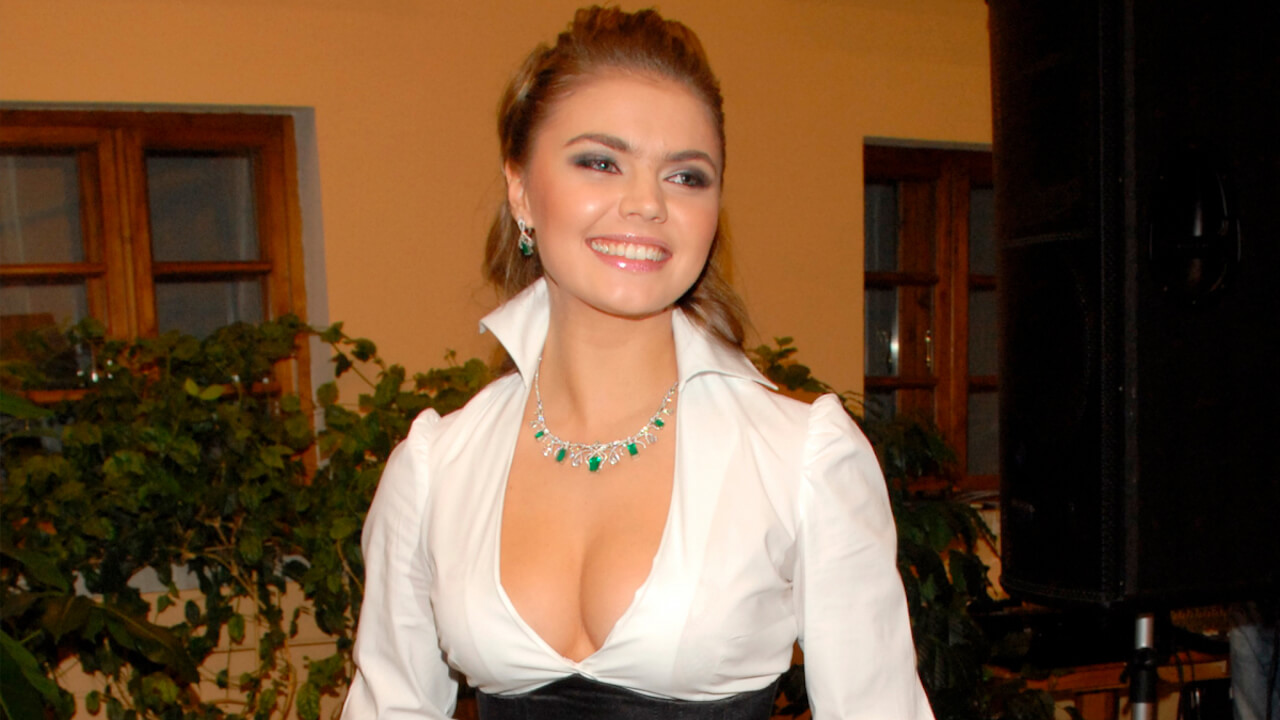
Aside from her successful gymnastics career, Kabaeva is also known for her beauty and charisma. In 1998, she appeared in a photoshoot for the popular Russian magazine, "Olympic Panorama." This marked the beginning of her modeling career, and she soon became the face of various brands, including Samsung and L'Oreal. Her graceful and captivating presence on the catwalk and in front of the camera earned her the title of "the most beautiful athlete in the world" by the French magazine, "Paris Match."
In 2007, Kabaeva retired from gymnastics and shifted her focus towards politics. She joined the United Russia political party and was elected as a State Duma Deputy in 2007. She has been re-elected twice since then and is currently the chair of the State Duma Committee on International Affairs. Kabaeva's successful transition from athlete to politician showcases not only her strong leadership skills but also her passion for making a positive impact on her country.
However, despite her accomplishments, Kabaeva's personal life has been under constant media scrutiny. She has been romantically linked with Russian President, Vladimir Putin, since 2008. Although they have never publicly confirmed their relationship, their close ties have often sparked speculation and rumors. Kabaeva's private life has always been a subject of interest for the media, but she has managed to maintain her privacy and not let it affect her career.
In addition to her success in sports and politics, Kabaeva is also known for her philanthropic work. She is a UNESCO Goodwill Ambassador, promoting education and cultural diversity. She also supports various charitable causes, including helping children with disabilities and supporting the Russian Red Cross Society.
Alina Kabaeva's achievements in sports, politics, and philanthropy have made her a role model for many young women around the world. Her determination, hard work, and perseverance have not only made her an accomplished athlete but also a respected figure in society. She continues to inspire and empower women to break barriers and pursue their dreams, making her a true icon in the world of sports and beyond.